- The Raise Report
- Posts
- The Capital Raising Framework That Works When Markets Get Weird
The Capital Raising Framework That Works When Markets Get Weird
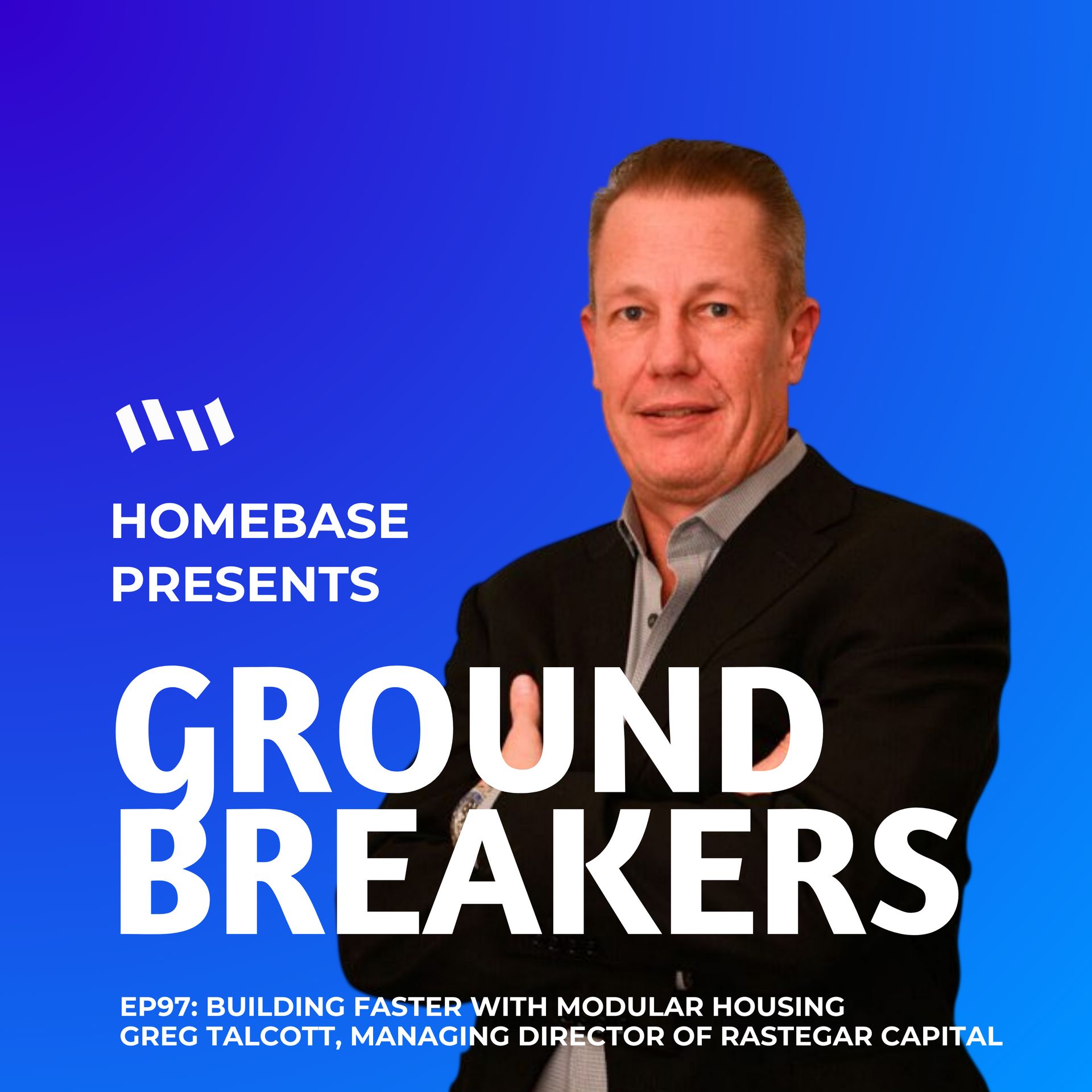
Greg Talcott has spent 25+ years around investors and capital markets. Today at Rastegar Capital, he helps LPs understand the one risk most sponsors gloss over: illiquidity, and how to invest through cycles without panicking.

Domingo Valadez
January 29, 2026
Hey there, Domingo here 👋
Welcome to The Raise Report — where we break down how top real estate sponsors are raising capital and scaling their portfolios. I also occasionally share the exact playbooks we used at Homebase to build an investor base from zero to over 3,500.
Quick background on me: Before Homebase, we were syndicators too. We didn’t come from institutional backgrounds or deep-pocketed networks. We crowdfunded two deals, went viral twice, and built something that worked. Today, we help other sponsors do the same — streamlining capital raises, back office ops, and investor communication..
This week’s Raise Report features an operator who has seen multiple market cycles up close and uses that experience as a weapon.
Greg Talcott is the Managing Director at Rastagar Capital and Managing Partner at Lion Realty Capital Partners. He has 25+ years across capital markets, real estate, and private investments, including time as a financial advisor at firms like Charles Schwab and TD Ameritrade. He has managed over $250M in AUM across his career and now helps investors preserve capital, generate income, and build long term legacy through private market strategies.
From Schwab to Private Equity Real Estate: A left turn that changed everything
Greg’s path into private equity real estate was not the classic “I bought a duplex at 24” story. He spent most of his career inside the traditional brokerage world, then took a voluntary layoff during a merger, landed in Scottsdale with a severance package, and got recruited off LinkedIn into his first private equity real estate role in 2018.
He immediately fell in love with the space, but also noticed something that should make every GP uncomfortable: the market is huge, the sponsor universe is massive, and transparency is thin. That is exactly why he values alignment and process over hype.
The Play: Stop selling the deal, start building investors
Greg said something that every GP raising in 2026 should steal.
There is a tendency in this industry to pitch the “sexy” parts of a deal. That worked better during the cheap money era. But now, the sponsors who win are the ones who become a trusted source of education for their investors.
He has the advantage of managing money through multiple bear markets, and the framework is consistent: investors need help separating emotion from money, and they need to understand what they are buying, especially when it is illiquid.
His bias is toward long term thinking. The best outcomes often come from patience, not perfect timing.
The Cycle Lens: Why 2026 looks different than 2022 to 2025
Greg’s take on the last few years is simple. The 2022 rate spike broke the “refi in year two” playbook and exposed the biggest risk in private real estate: illiquidity. Investors who expected quick liquidity got stuck. Sponsors who underwrote to easy refinances got trapped.
What he is watching now is the shift in supply and rates. He pointed out that multifamily is coming off a generational high in new supply, and the next few years are shaping up to be a generational low in new supply. That changes the math if you are starting projects now instead of trying to exit projects that were underwritten in 2021.
He also made an important nuance: not all multifamily is the same. He believes you are best served placing capital where job growth and migration are strongest, which is why their focus leans Sun Belt and Texas.
Why this works
He leads with investor fit, not deal hype
Greg talks in “buckets,” not buzzwords. If an investor needs liquidity for college, a wedding, or a near term obligation, that money has no business being in an illiquid deal. That framing builds trust fast and screens out future problems.
He teaches the risk investors ignore
Most new LPs underestimate illiquidity. Greg makes it explicit, then explains how to plan around it. That is how you create investors who stick around through cycles.
He brings a real cycle memory
He has lived through multiple down cycles and watched entire sectors get written off, then rebound. That perspective helps investors avoid the greed and fear whiplash that destroys returns.
The Risks (and how he manages them)
Illiquidity risk: You cannot “sell one unit of the apartment” if an investor needs cash. Greg manages this by setting expectations early and by pushing investors to match the investment to their time horizon.
Cycle risk: The market can stay weird longer than your model assumes. His answer is not prediction. It is preparation, conservative assumptions, and a long term view.
Concentration risk: He is blunt that real estate should be one sleeve, not the whole portfolio. Diversification is not exciting, but it is how you avoid getting forced into bad decisions at the wrong time.
What You Can Learn (and Steal)
Education is the new marketing
The sponsor who wins in 2026 is the one who can explain what is happening in plain language, help LPs make better decisions, and still sound calm when the market is loud.
Do not pitch investors into illiquidity
If your investor needs liquidity, that money belongs somewhere else. The fastest way to create churn and angry phone calls is raising from people whose timeline does not match the deal.
Take profits, pay taxes, sleep at night
Greg’s point is not “trade everything.” It is that disciplined reallocation beats emotional holding. Nobody likes paying taxes, but plenty of people go broke refusing to.
Listen to the full episode
In it, we cover:
How he went from Schwab and TD Ameritrade into private equity real estate
Why illiquidity is the hidden risk most LPs misunderstand
How the rate spike broke the “refi in year two” expectation
Why 2026 could be a very different supply environment for multifamily
The capital raising approach that wins now: educate first, pitch last
Sponsored by Homebase
Homebase powers $250M+ in real estate syndications. Streamline your fundraising, investor management, and distributions today. Schedule a demo
”Homebase helped me raise $3M in 2024 and already $2M in 2025—plus saved me 100+ hours setting up my deals. It’s become the true ‘home base’ for my capital raising and investor experience.” - Jarek Chu, Haven Residential

Domingo Valadez
Homebase
Co-Founder & CEO